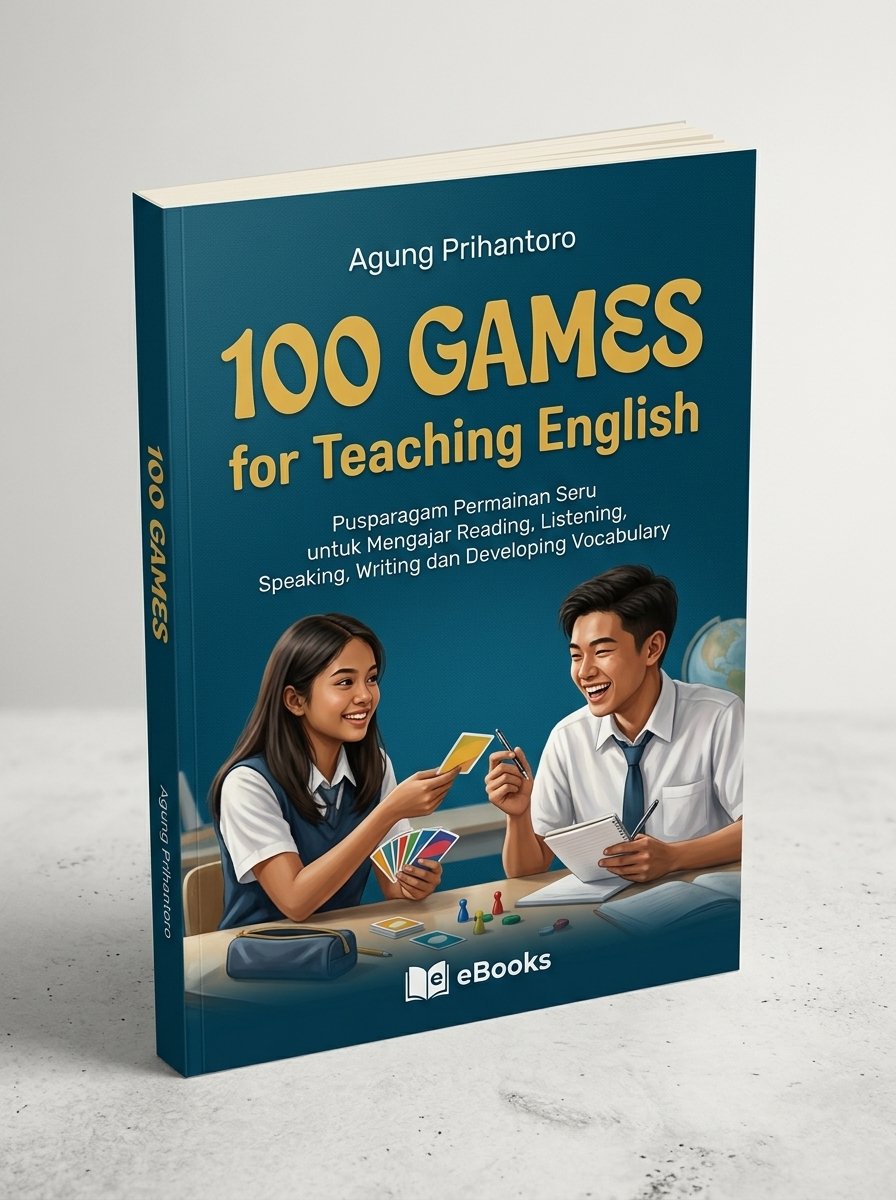
Discover how the 100 Games for Teaching English Book transforms language learning through play. This essential resource offers ready-to-use activities for vocabulary, grammar, and speaking. Perfect for ESL teachers and homeschooling parents, it boosts student engagement and retention. Optimize your lessons with game-based strategies that work for all ages and levels.
1. Why Use the 100 Games for Teaching English Book
The 100 Games for Teaching English Book solves low motivation and passive learning. Traditional drills bore students, but games create excitement and repetition without resistance. Each activity targets specific skills like listening or writing. Teachers save hours of prep time while achieving higher participation rates. Research shows game-based learning improves long-term memory by 40% compared to worksheets alone.
2. Top Game Categories in the 100 Games for Teaching English Book
This 100 Games for Teaching English Book organizes games into five sections: icebreakers, vocabulary builders, grammar drills, storytelling, and pronunciation challenges. Icebreakers like “Name Chain” warm up shy classes. Vocabulary games such as “Pictionary Race” reinforce 20+ words per session. Grammar games turn boring rules into competitive fun. Pronunciation activities use rhymes and tongue twisters for accent reduction.
3. How to Use the 100 Games for Teaching English Book Daily
Open each lesson with a 5-minute warm-up game from the 100 Games for Teaching English Book. For example, “Word Association” activates prior knowledge. Mid-lesson, insert a movement-based game like “Scavenger Hunt” to reset focus. End with a cool-down game like “Story Circle” for creative output. Rotate game types weekly to cover all four language pillars: reading, writing, speaking, listening.
4. Adapting Games for Different Levels Using the 100 Games for Teaching English Book
The 100 Games for Teaching English Book includes difficulty modifiers for beginners to advanced learners. For low-level students, simplify instructions and use picture cards. For advanced classes, add time limits or taboo words to raise challenge. Mixed-level groups benefit from team-based games where stronger peers model language naturally. This flexibility ensures no student feels left out or under-stimulated.
5. Measurable Results from the 100 Games for Teaching English Book
Teachers report 60% faster vocabulary recall and 50% higher speaking confidence within four weeks of using the 100 Games for Teaching English Book. Classroom management improves as students willingly participate. Test scores rise because games provide spaced repetition without boredom. Parents notice children practicing English at home voluntarily. Invest in this book—it pays for itself through reduced planning time and better outcomes.